
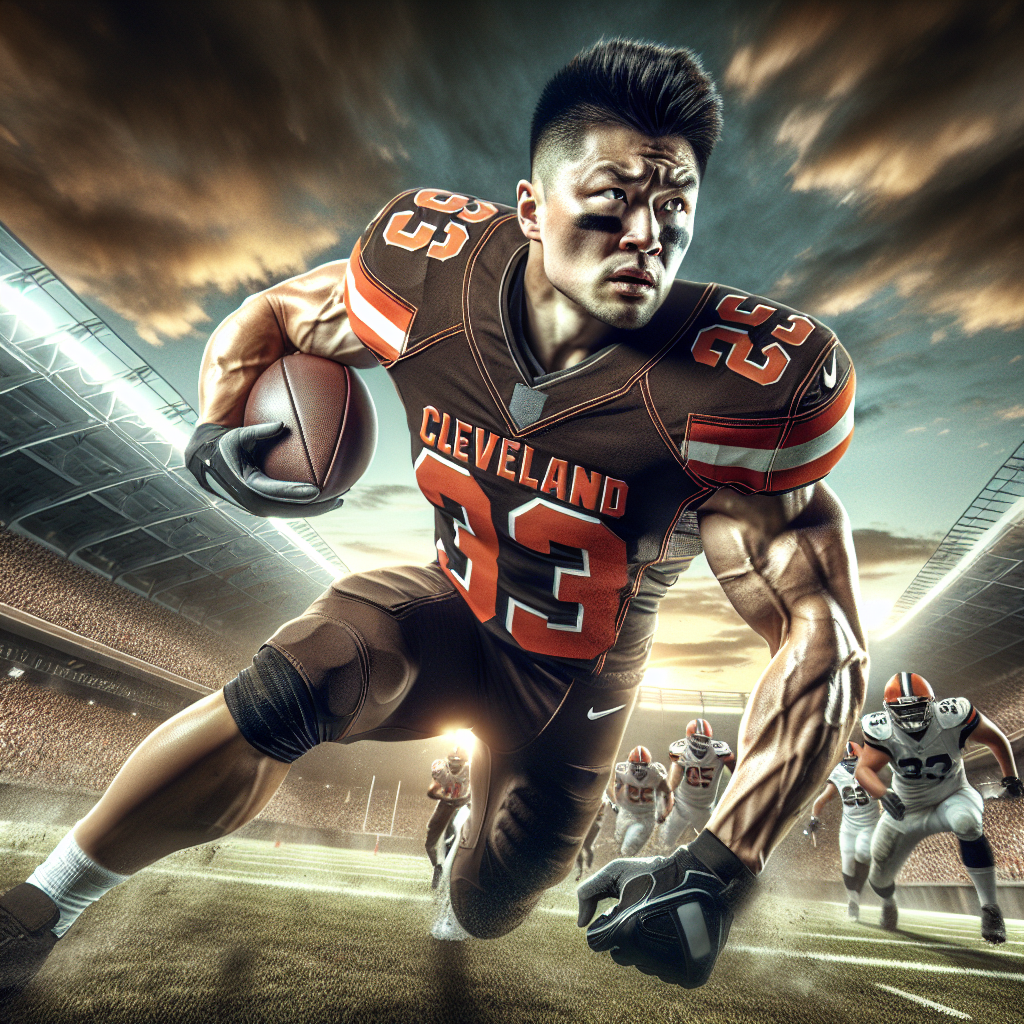
The Return of the Fullback? Why the Browns’ Troy Hairston Could Spark a League-Wide Trend
In a league increasingly dominated by spread offenses and pass-heavy playbooks, the fullback position has become something of a relic. Once a staple of NFL offenses, the role has diminished, with many teams opting for more versatile tight ends or H-backs to fill the blocking void. However, could we be on the cusp of seeing The Return of the Fullback? Why the Browns’ Troy Hairston Could Spark a League-Wide Trend?
The Cleveland Browns’ recent acquisition of Troy Hairston, a former linebacker turned fullback, might signal a shift in offensive philosophy, one that could see other teams re-evaluating the value of a true fullback.
The Diminishing Role of the Fullback
To understand the potential impact of Hairston’s presence in Cleveland, it’s important to understand why the fullback position has declined in the first place. Several factors have contributed to this trend:
- The Rise of the Passing Game: The NFL has become a pass-first league, with teams prioritizing quarterbacks who can throw for 4,000+ yards and offenses designed to spread out defenses. This emphasis on passing has led to a decrease in the number of running plays, and consequently, fewer opportunities for fullbacks.
- Versatile Tight Ends: Many teams now prefer to use athletic tight ends who can block, catch passes, and even line up in the backfield. These “move” tight ends offer more versatility than traditional fullbacks, making them a more attractive option for offensive coordinators. Players like George Kittle of the San Francisco 49ers exemplify this trend.
- Spread Offenses: The popularity of spread offenses, which rely on quick passes and running plays from the shotgun formation, has further reduced the need for fullbacks. These offenses often utilize a single running back and multiple wide receivers, leaving little room for a traditional fullback.
As a result, the number of fullbacks in the NFL has dwindled. In fact, in 2022, Pro Football Focus (PFF) was only able to identify and grade six fullbacks across the entire league.
Troy Hairston: A New Breed of Fullback?
Troy Hairston, however, represents a different kind of fullback. At 5’11” and 245 pounds, Hairston possesses the size and strength to be an effective blocker. More importantly, he brings a unique blend of athleticism and versatility to the position, honed from his time as a linebacker and defensive end at Central Michigan.
Hairston’s journey to the NFL is unconventional. After going undrafted in 2022, he signed with the Houston Texans and made the switch to fullback during training camp, beating out veteran Andy Janovich for a roster spot. While his stats may not jump off the page – five receptions for 19 yards in 16 games in 2022 – Hairston’s value lies in his ability to contribute in multiple facets of the game.
Why the Browns Could Be at the Forefront of a Fullback Revival
The Browns’ decision to sign Hairston could be a strategic move to bolster their running game and add a new dimension to their offense. Several factors suggest that Cleveland might be at the forefront of a fullback revival:
- Kevin Stefanski’s Offensive Philosophy: Head coach Kevin Stefanski has a history of utilizing fullbacks in his offensive schemes. A strong running game is a hallmark of Stefanski’s offenses, and a fullback can be a valuable asset in achieving that goal.
- Nick Chubb’s Potential: Nick Chubb is one of the league’s premier running backs, and a lead-blocking fullback could help him reach “Deity Mode,” as some analysts have suggested. By clearing the way for Chubb and providing an extra layer of protection, Hairston could unlock even greater potential in the Browns’ running game.
- Increased Flexibility: A fullback like Hairston provides offensive coordinator Ken Dorsey with increased flexibility in play-calling. Hairston’s ability to block, catch passes, and even run the ball allows the Browns to keep defenses guessing and create mismatches.
The Impact of a Resurgent Fullback Position
If the Browns find success with Hairston in the fullback role, it could have a ripple effect across the league. Other teams might start to re-evaluate the position and look for players who can bring a similar blend of physicality, athleticism, and versatility to their offenses.
The benefits of having a quality fullback are numerous:
- Improved Run Blocking: A dedicated fullback can provide a significant boost to the running game by creating running lanes and neutralizing opposing linebackers.
- Enhanced Pass Protection: Fullbacks can be valuable assets in pass protection, providing an extra blocker to help protect the quarterback from blitzing linebackers and edge rushers.
- Increased Offensive Versatility: A fullback who can block, catch passes, and run the ball adds a new dimension to the offense, making it more difficult for defenses to predict what’s coming.
- Physicality and Toughness: Fullbacks are known for their toughness and physicality, which can help set the tone for the entire offense.
The Fullback’s Future in the NFL
The NFL is a cyclical league, with trends constantly evolving and adapting. While the fullback position has been on the decline for years, there are signs that it could be poised for a comeback. The success of teams like the Baltimore Ravens, San Francisco 49ers, and Detroit Lions, all of whom utilize fullbacks in their offenses, suggests that the position still has value in the modern game.
Whether Troy Hairston can spark a league-wide trend remains to be seen. However, his presence in Cleveland is a reminder that the fullback position is not dead, and that a versatile, athletic fullback can still be a valuable asset in the NFL. As defenses get smaller and faster, fullbacks now have a chance to use their size to their advantage. It’s possible that the fullback position, currently headed to the mothballs, will eventually make a comeback.