
Overtime Overhaul? Examining the Potential Impact of the Proposed NFL Overtime Rule Changes on Game Strategy
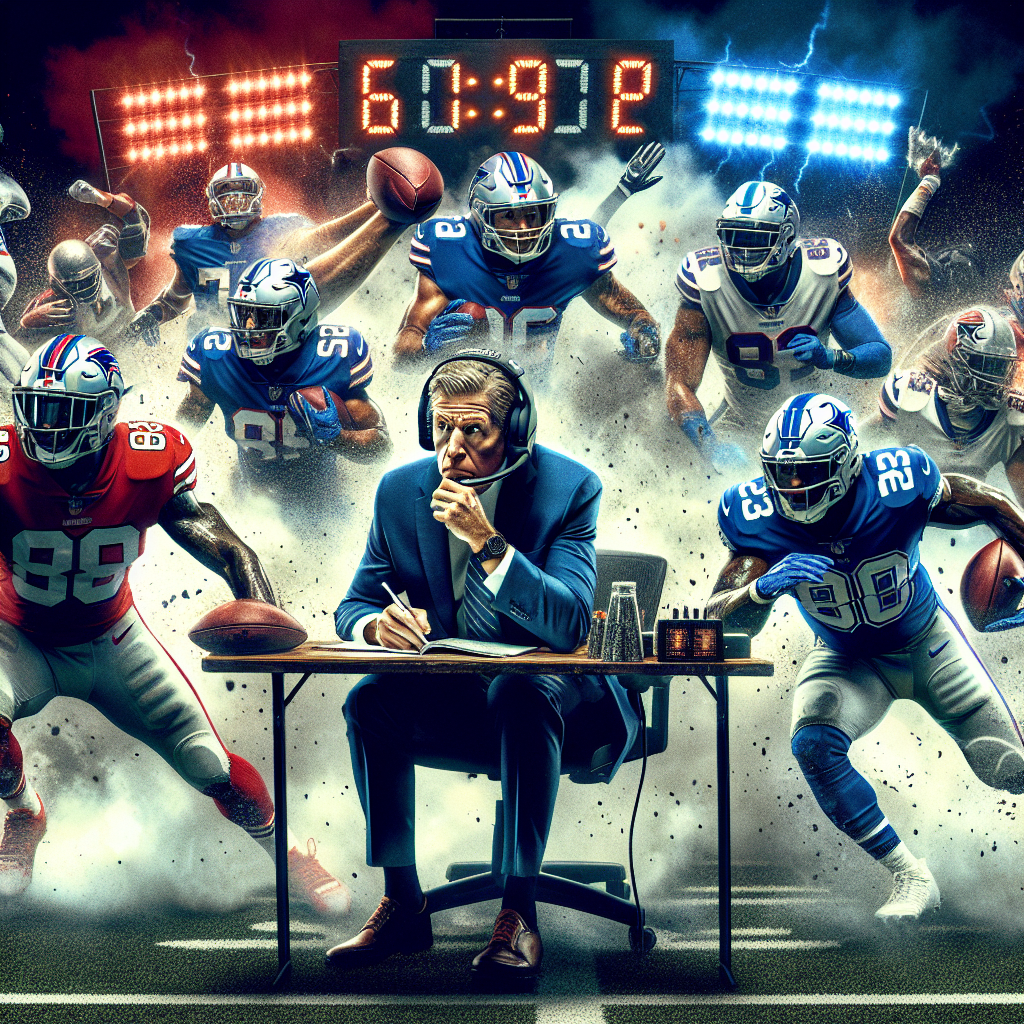
The roar of the crowd, the tension in the air, and the clock ticking down to zero – NFL overtime is a pressure cooker. But what happens when the rules of that pressure cooker change? With the NFL reviewing potential alterations to its overtime format for the 2025 season, including a proposal from the Philadelphia Eagles to ensure both teams have a chance to possess the ball, the strategic landscape of these crucial extra periods could be on the verge of a dramatic shift.
The Eagles’ Proposal: A Fairer Playing Field?
The current NFL overtime rules have long been a source of debate. In the regular season, if the team that receives the ball first scores a touchdown, the game is over. While the rules were modified in 2022 for the playoffs to ensure both teams get a possession, the Eagles are pushing for a unified approach across both regular season and postseason games. Their proposal, as stated in CBS Sports, aims “to align the postseason and regular-season overtime rules by granting both teams an opportunity to possess the ball regardless of the outcome of the first possession, subject to a 15-minute overtime period in the regular season.”
This change seeks to address the perceived advantage held by the team winning the coin toss. Statistics show that winning the coin toss has historically given a significant edge. For instance, in overtime playoff games from 2010 to 2021, the team winning the coin toss went 10-2. This potential rule change aims to level the playing field, forcing teams to strategize beyond simply winning the coin toss.
Coaching Decisions Under Scrutiny
The proposed changes would place even greater emphasis on in-game coaching decisions. Kyle Shanahan, head coach of the San Francisco 49ers, faced intense criticism after Super Bowl LVIII when his team opted to receive the ball in overtime, a decision that was further compounded by reports that some of his players were unaware of the updated overtime rules. As Kyle Juszczyk, the 49ers fullback, admitted, “I don’t really know the strategy.” This lack of awareness highlighted the critical importance of coaching staffs thoroughly preparing their teams for all overtime scenarios.
Under the proposed rules, the decision of whether to receive or kick becomes even more nuanced. A team with a strong defense might choose to kick, knowing they can force a stop and gain valuable information about what they need to score on their own possession. Conversely, a team with a high-powered offense might still opt to receive, aiming to set the tone and put immediate pressure on their opponent.
The Impact on Play Calling
Offensive play-calling will also be significantly affected. Knowing they are guaranteed a possession, coaches might be more willing to take risks on fourth down or attempt trick plays. The pressure to score quickly and efficiently will be amplified, potentially leading to more aggressive and exciting offensive strategies.
Defensive coordinators will need to prepare for a wider range of offensive approaches. With both teams guaranteed a possession, defenses can’t afford to focus solely on preventing a touchdown on the opening drive. They’ll need to be ready to defend against both short-yardage situations and long bombs, knowing that every stop is crucial.
Special Teams in the Spotlight
Special teams could also see a resurgence in importance. With the possibility of both teams needing to score to stay alive, field position becomes paramount. Punting, kickoff coverage, and field goal accuracy could all be deciding factors in overtime games.
An interesting, albeit risky, strategy could be the use of an onside kick to start overtime. While unconventional, a successful onside kick would give the kicking team excellent field position and a chance to win the game outright. However, the risk of giving the opponent a short field is significant, making this a high-reward, high-risk gamble.
The “Tush Push” and Other Potential Rule Changes
The overtime rule change isn’t the only proposal on the table. The Green Bay Packers have suggested banning the “tush push,” a play popularized by the Philadelphia Eagles. This play, where offensive players push the quarterback forward on short-yardage plays, has been highly effective but also controversial. If banned, teams would need to find alternative strategies for gaining those crucial inches.
Additionally, the Detroit Lions have proposed changes to defensive holding and illegal contact penalties, seeking to eliminate the automatic first down that currently accompanies these infractions. This change, if approved, would reduce the penalty to five yards and a repeat of the down, potentially altering defensive strategies and play-calling.
The Super Bowl LVIII Overtime
Super Bowl LVIII between the Kansas City Chiefs and the San Francisco 49ers provided a real-world example of the strategic complexities of the current overtime rules. The 49ers’ decision to receive the ball first, coupled with the reported lack of awareness of the overtime rules among some players, highlighted the importance of preparation and clear communication from the coaching staff.
Ultimately, the Chiefs’ victory underscored the value of understanding the overtime rules and having a well-defined strategy in place. As Chris Jones of the Chiefs revealed, the team “rehearsed” overtime scenarios in the weeks leading up to the Super Bowl.
The Future of NFL Overtime
The proposed overtime rule changes have the potential to reshape the strategic landscape of the NFL. By ensuring both teams have a chance to possess the ball, the league aims to create a fairer and more exciting conclusion to games. While the impact of these changes remains to be seen, one thing is certain: coaches, players, and fans will be closely watching to see how these new rules affect the outcome of those nail-biting overtime battles.