
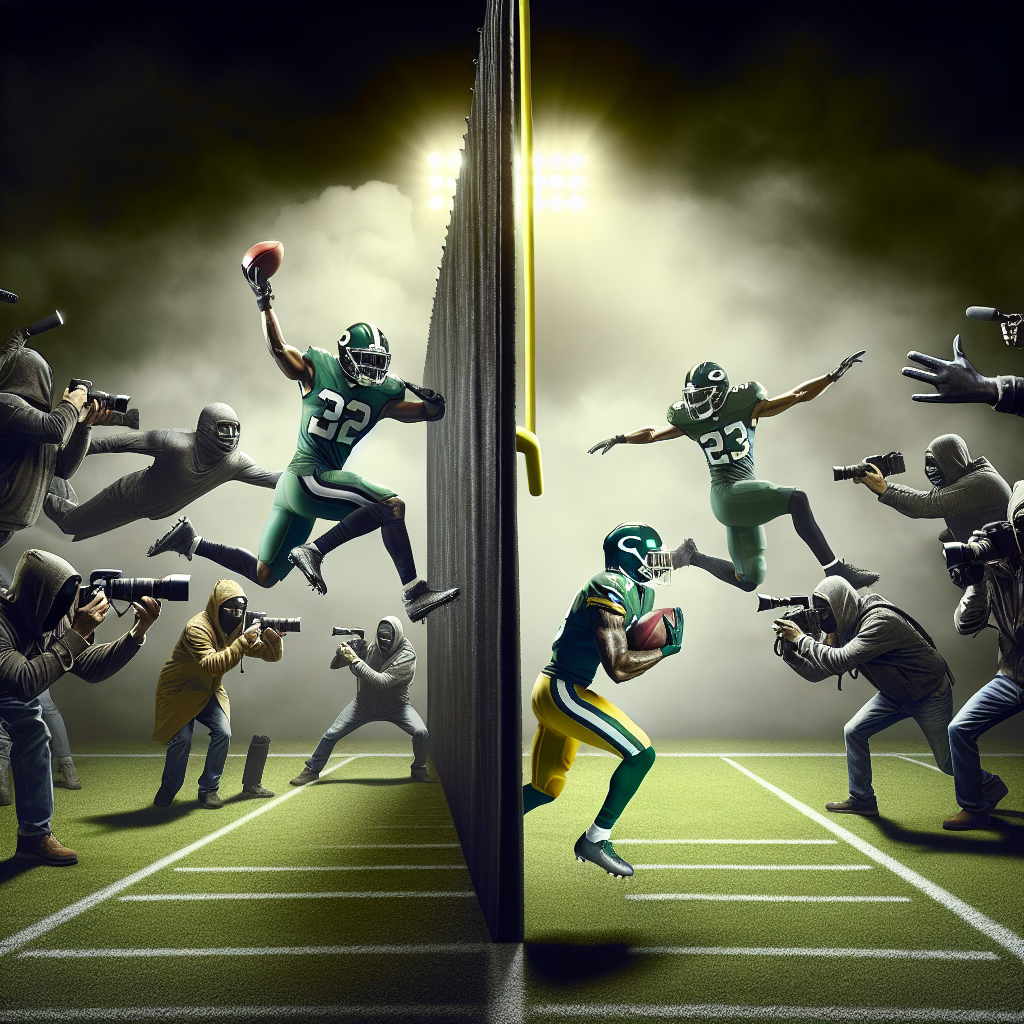
Inside the Divide: NFL Players Push for Locker Room Privacy Amid Media Scrutiny
The roar of the crowd fades, the adrenaline slowly ebbs, and the physical toll of battle sets in. For NFL players, the locker room is traditionally a sanctuary—a place to recover, regroup, and mentally prepare for the next challenge. However, the increasing presence of media in these spaces has ignited a debate, forcing a re-evaluation of the balance between transparency and personal privacy. Just as the Kansas City Chiefs meticulously dissect game film to gain an edge, players are now scrutinizing the NFL’s media access policies, seeking to reclaim a sense of control over their personal space.
The Locker Room: A Sacred Space Under Siege?
The current NFL media policy mandates that locker rooms be open to accredited media members for a minimum of 45 minutes on Wednesdays, Thursdays, and Fridays during the regular season. Post-game, locker rooms open after a brief 10-15 minute waiting period. This access is intended to foster insightful reporting, allowing journalists to develop relationships with players and provide fans with in-depth coverage. Calvin Watkins, president of the Pro Football Writers of America (PFWA), emphasized the importance of locker room access for reporters to ask questions in non-group settings, building sourcing for exclusive reporting.
However, many players feel this level of access is intrusive. Lloyd Howell, the NFL Players Association’s (NFLPA) executive director, has voiced concerns that players “do not want to be interviewed when they’re naked.” This sentiment echoes throughout the league, with players feeling increasingly uncomfortable with the lack of privacy in what they consider their workplace.
Torrey Smith, former Baltimore Ravens wide receiver, has been particularly vocal, even accusing some male reporters of being “straight meat watchers,” highlighting the discomfort and vulnerability some players feel. Paul George, an NBA superstar, has also spoken about feeling uneasy during his 14-year career due to similar locker room dynamics.
The NFLPA’s Push for Change
The NFLPA is actively advocating for changes to the existing media policy. Their proposal includes moving media interviews to alternative settings outside the locker room. The NFLPA’s executive committee released a statement asserting that “locker room interviews invade their privacy and are uncomfortable,” clarifying that this push isn’t about limiting media access but about “respecting players’ privacy and dignity.”
Cincinnati Bengals center Ted Karras revealed that players have been caught naked on camera, further fueling the call for change. This has led to teams exploring programs to conduct interviews outside the locker room to protect players’ private moments.
The NFLPA’s stance is clear: the current policy is “outdated” and requires “immediate changes to foster a more respectful and safer workplace for all players.”
Media’s Perspective: Access vs. Privacy
While understanding the players’ concerns, many media members argue that locker room access is crucial for comprehensive reporting. The ability to conduct informal interviews and observe player interactions provides valuable context and insights that are difficult to obtain in more formal settings.
The PFWA responded to the NFLPA’s statement by emphasizing that players have always had the option to request interviews outside the locker room. They also stated their commitment to ongoing discussions with the NFLPA to ensure everyone is comfortable with the media policy.
Some journalists fear that limiting locker room access would hinder their ability to build relationships with players, potentially leading to less in-depth and insightful coverage. They argue that the current policy already includes measures to protect player privacy, such as screening shower areas and providing towels or robes.
Finding Common Ground: Potential Solutions
The NFL finds itself at a crossroads, needing to balance the media’s need for access with players’ legitimate privacy concerns. Several potential solutions have been proposed:
- Designated Interview Areas: Creating designated interview areas outside the locker room could provide a more private and controlled environment for players while still allowing media access.
- Extended Waiting Period: Extending the waiting period before opening locker rooms post-game could give players more time to dress and compose themselves before facing the media.
- Increased Player Control: Empowering players to choose the location of their interviews, whether in the locker room or elsewhere, could provide a greater sense of control over their personal space.
- Stricter Guidelines: Implementing stricter guidelines regarding camera usage and reporter conduct in the locker room could help prevent incidents that compromise player privacy.
- Mandatory Training: Providing mandatory training for both players and media members on respecting boundaries and maintaining professionalism could foster a more respectful environment.
The NFL has already urged teams to take measures for player privacy, such as placing shorts in each locker or building individual locker curtains. Clubs must also submit their specific actions to ensure player privacy as part of the Media Access Plan.
The Future of Locker Room Access
The debate over locker room privacy is unlikely to disappear anytime soon. As the NFL evolves, so too must its policies regarding media access. The key lies in finding a solution that respects the needs of both players and the media, ensuring that fans continue to receive comprehensive coverage while safeguarding the privacy and dignity of the athletes who make the game possible. The NFL’s willingness to listen to the players’ privacy concerns, as stated in previous reports, will be crucial in shaping the future of media relations. Whether it’s adopting new interview protocols like the Cincinnati Bengals or reinforcing existing policies, the goal remains to foster a respectful and productive environment for everyone involved.