
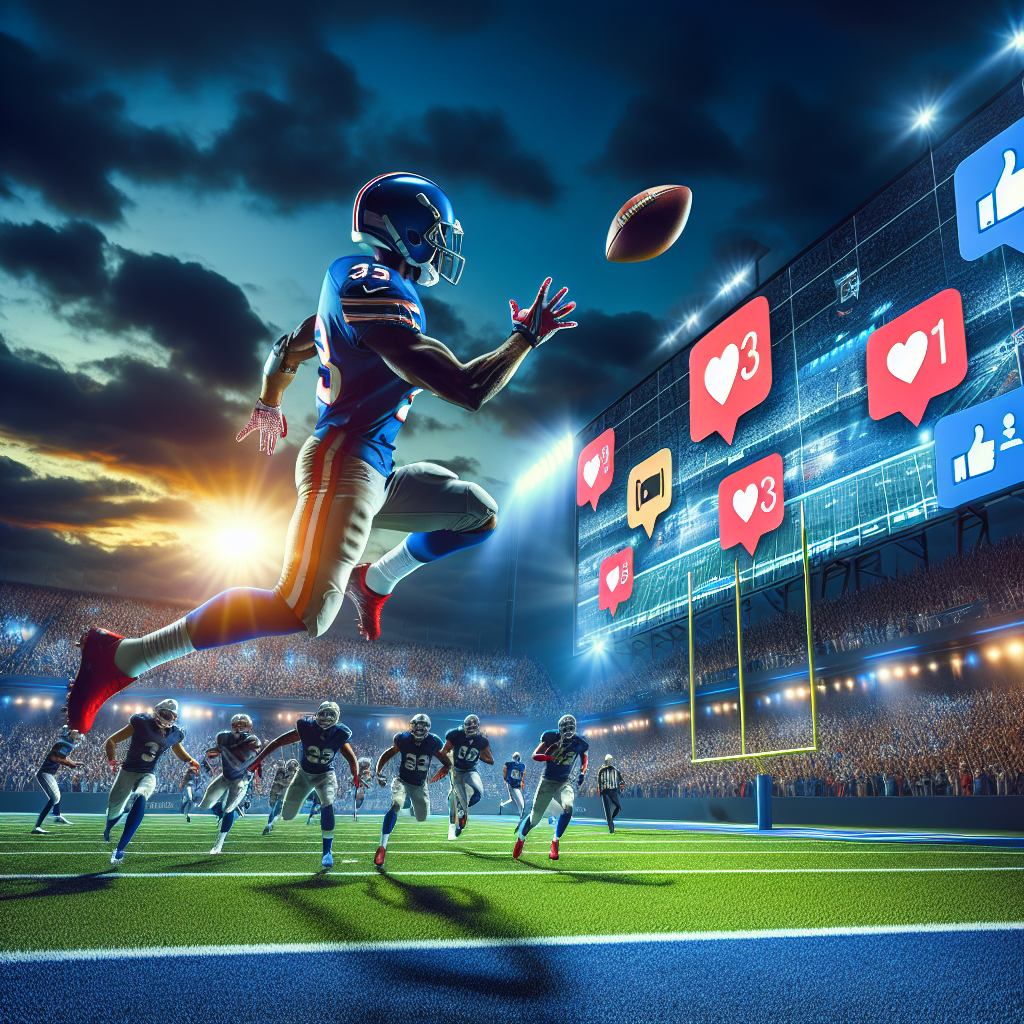
Game On! How NFL Teams Are Winning on Social Media and Boosting Fan Engagement
The roar of the crowd, the bone-crushing tackles, and the electrifying touchdowns – these are the elements that define the National Football League. But in today’s digital age, the game extends far beyond the stadium. NFL teams are now battling for supremacy on a new playing field: social media. With billions of impressions and interactions at stake, teams are leveraging innovative strategies to connect with fans, build brand loyalty, and ultimately, drive success both on and off the field. In 2024, the Kansas City Chiefs gained an average of 103,028 new followers per game, culminating in a total increase of 1.75 million new followers.
The Rise of the Social Media Playbook
Social media has become an indispensable tool for NFL teams. It’s no longer just about posting scores and highlights; it’s about creating a dynamic, engaging experience that keeps fans connected 24/7. From behind-the-scenes access to real-time updates and interactive content, teams are using platforms like Twitter, Instagram, Facebook, and TikTok to foster a sense of community and belonging. As Joel Price, manager of Internet services for the San Diego Chargers, noted, “Now social media is front and center for all 32 teams, and the league. Every single team thinks it’s important.”
Content is King: Engaging Fans Beyond the Game
The most successful NFL teams on social media understand the importance of diverse and compelling content. They’re not just regurgitating game stats; they’re telling stories, showcasing personalities, and creating moments that resonate with fans on a personal level.
- Behind-the-Scenes Access: Teams like the Cincinnati Bengals have gained traction by offering glimpses into the lives of their players off the field. Their “Mic Check” series on Instagram, featuring offensive tackle Orlando Brown Jr., allows fans to connect with players on a more personal level, fostering a stronger sense of loyalty.
- Real-Time Highlights: Posting on-the-field highlights in real-time is crucial for keeping fans engaged during games. Quick videos and GIFs of exciting plays generate immediate reactions and encourage sharing, amplifying the team’s reach.
- Interactive Content: Polls, quizzes, and contests are excellent ways to encourage fan participation. Teams like the Philadelphia Eagles use interactive content to predict game outcomes and vote for MVPs, creating a sense of ownership and involvement.
- Community Initiatives: Engaging with the local community through charitable events and social justice initiatives can build goodwill and strengthen the team’s brand. By aligning themselves with causes that matter to their fan base, teams like the Seattle Seahawks foster loyalty and trust.
The Power of Influencers: Expanding Reach and Engagement
NFL teams are also tapping into the power of influencer marketing to reach new audiences and boost engagement. By partnering with social media personalities, athletes, and even celebrity fans, teams can extend their reach beyond traditional football circles.
- Athlete Influencers: Players themselves are becoming powerful influencers, using their personal accounts to connect with fans and promote team initiatives. Quarterback Patrick Mahomes of the Kansas City Chiefs, with his massive social media following, is a prime example of an athlete who can significantly impact a team’s brand.
- Celebrity Fans: The Kansas City Chiefs experienced a surge in popularity due to the extensive media coverage of singer Taylor Swift’s relationship with Travis Kelce. This celebrity connection expanded the team’s audience and showcased how pop culture can elevate a team’s visibility.
- Micro-Influencers: While mega-influencers have broad reach, micro-influencers often cultivate a more engaged and loyal following. Teams are partnering with local personalities and niche content creators to connect with specific fan segments.
Data-Driven Strategies: Measuring Success and Optimizing Performance
The most successful NFL teams on social media are not just throwing content at the wall and hoping it sticks. They’re using data analytics to track their performance, understand their audience, and optimize their strategies for maximum impact.
- Key Performance Indicators (KPIs): Teams are closely monitoring metrics like engagement rate, follower growth, and website traffic to assess the effectiveness of their social media efforts.
- Audience Segmentation: By analyzing demographics, interests, and behaviors, teams can segment their audience and tailor their content to specific groups.
- A/B Testing: Experimenting with different content formats, posting times, and messaging allows teams to identify what resonates best with their audience and refine their approach accordingly.
Case Studies: Social Media Success Stories
Several NFL teams have emerged as leaders in the social media game, demonstrating the power of a well-executed strategy.
- Kansas City Chiefs: The Chiefs’ social media dominance is undeniable. Their success is partly due to extensive media coverage of singer Taylor Swift’s relationship with Travis Kelce. This celebrity connection has expanded the team’s audience, showcasing how pop culture can elevate a team’s visibility.
- Philadelphia Eagles: The Eagles lead all teams in social media value, with an impressive blend of humor, hype, and history. Their YouTube series, “All-22 Review,” is among the smartest Xs and Os content available, while their Instagram feed features high-quality photos, graphics, and illustrations.
- Buffalo Bills: The Bills have cultivated a unique and entertaining presence on TikTok, attracting eyeballs outside of Western New York and turning #BillsMafia into a machine online. Quarterback Josh Allen has willingly played the lead in multiple gags, which have helped humanize him and the Bills brand.
- Los Angeles Chargers: The Chargers are widely regarded as one of the most creative content teams in the league, with an irreverent tone that resonates on Twitter. They’ve also made significant strides on YouTube, where they’re second in video views and social value.
The Future of NFL Social Media
As technology evolves and fan preferences shift, NFL teams must continue to adapt their social media strategies to stay ahead of the game. Some emerging trends to watch include:
- Personalized Fan Experiences: Expect to see a greater emphasis on personalized content and experiences tailored to individual fan preferences.
- Augmented Reality (AR) and Virtual Reality (VR): Teams will leverage AR and VR to create immersive experiences that bring fans closer to the action, both in and out of the stadium.
- The Metaverse: The NFL is already exploring opportunities in the metaverse, creating virtual spaces where fans can interact with each other and engage with team content.
- AI-Powered Content Creation: Artificial intelligence will play an increasingly important role in content creation, helping teams generate engaging content at scale and personalize the fan experience.
The NFL’s success on social media is a testament to the power of strategic content, authentic engagement, and data-driven decision-making. By embracing these principles, teams can build stronger relationships with their fans, enhance their brand, and ultimately, achieve victory in the digital arena.